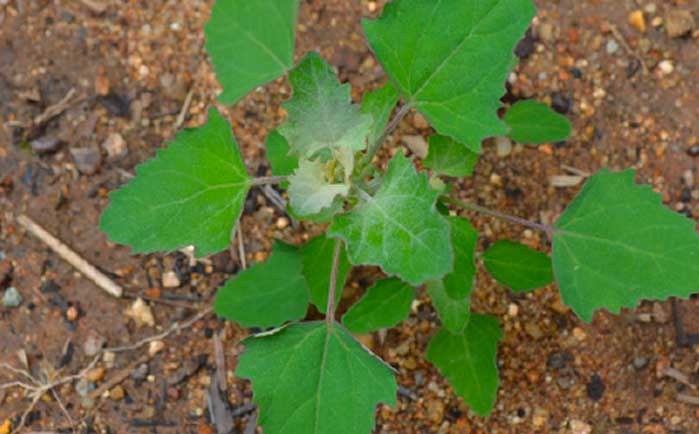
A selective contact soluble liquid herbicide for the post-emergence control of certain annual broad-leaved weeds and Yellow nutsedge in crops as indicated.

Drybean
  • Bendioxide is a photosynthetic electron transport inhibitor at the photosystem II receptor. It is a selective contact herbicide, absorbed mainly by the foliage, with very little translocation, but also absorbed by the roots, with translocation acropetally in the xylem.
  • HORNET 480 SL controls several difficult to control broadleaf weeds.
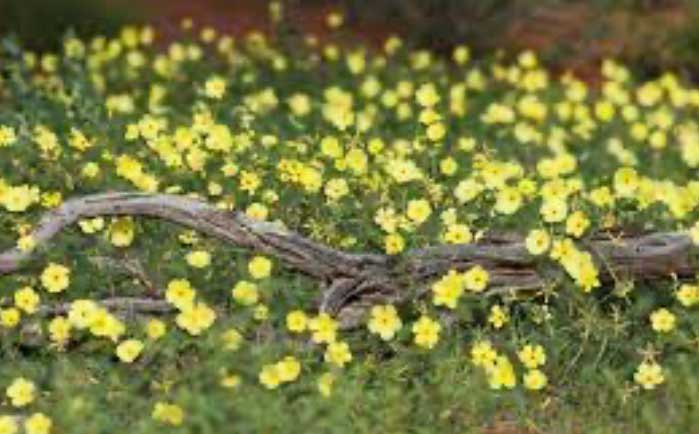
    • Yellow nutsedge
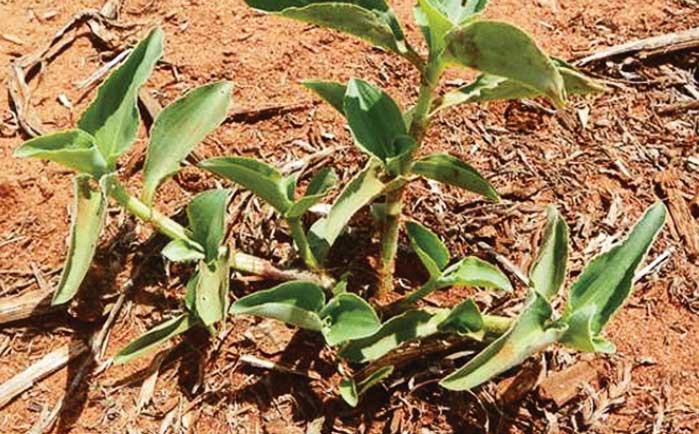
    • Wandering jew
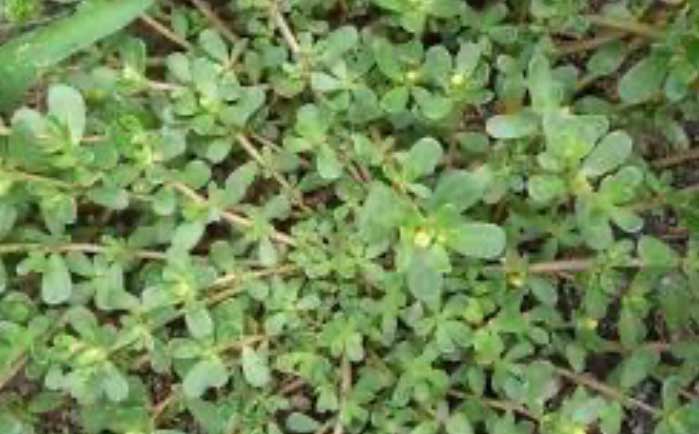
    • Dubbeltjie
    • Morning glory
  • Apply HORNET 480 SL to young and actively growing weeds, early post-emergence.
  • It is essential to wet the weeds thoroughly because HORNET 480 SL is a contact herbicide. Rainfall or overhead irrigation within eight hours after application may cancel the effect of HORNET 480 SL.
  • The use of HORNET 480 SL on leguminous crops, planted with an organophosphate insecticide granular formulation, is not recommended because crop damage may occur.
  • Do not use insecticides within seven days after application of HORNET 480 SL.
  • The thickness of the wax layer on the leaf determines crop selectivity. Frost, cold, wet conditions, adjuvants, previous spray residues, diseases etc. contribute to damage to the leaf’s wax layer, leading to crop damage. If any of the abovementioned conditions occur, delay the HORNET 480 SL application of by 5–7 days to allow the restoration of the wax layer. 
  • If using a post-emergence grass herbicide after HORNET 480 SL, allow at least seven days between applications.
  • If using a post-emergence grass herbicide before HORNET 480 SL, allow at least 14 days between applications.
  • Do not apply HORNET 480 SL on hot and sunny days directly after a period of cool, wet weather conditions. 
  • Do not apply with buffers, acidifiers or any other type of adjuvant not recommended on this label.
  • Apply HORNET 480 SL in a minimum of 300ℓ water per hectare

2-5 ℓ/ha HORNET 480 SL

N/A
Maize
  • Yellow nutsedge (Cyperus esculentus) that have emerged can be controlled if the following favourable conditions existed before and during application: warm, humid weather (relative humidity above 65 %) and sufficient soil moisture.
  • HORNET 480 SL is compatible with AGRIZINE 500 SC, CANTRON® 480 SC, TERBUWEED 600 WDG, TERBUSIEN SUPER 600 SC and Villa Adjuvants.
  • If frost or very cold temperatures occur, or are expected, it is advised not to apply HORNET 480 SL since the crop may be harmed.
  • Good coverage of the weeds is essential since HORNET 480 SL is a contact herbicide.
  • Rain or irrigation within 8 hours after application may adversely affect the effectiveness of the HORNET 480 SL treatment.
  • Apply HORNET 480 SL in a minimum of 300 litres water per hectare. Use flat fan or hollow cone nozzles.
  • Ensure that the application is made after the majority of nutsedge have germinated, but before flowering.

2 to 3 ℓ / ha. HORNET 480 SL can be applied at any growth stage of grain crops. The size of the weeds must correspond with the growth stages as listed in the “WEED CONTROL” table.

AGRIZINE 500 SC
Active ingredient: atrazine 500g/ℓ
Reg. No. L5387 Act 36 of 1947 (harmful)

CANTRON 480 SC
Active ingredient: Mesotrione (callistemone) 480 g/ℓ
(Reg. No. L8365 Act 36 of 1947) (caution)

TERBUWEED 600 WDG
Active ingredient: Terbuthylazine 600 g/kg
(Reg. No. L8800 Act 36 of 1947) (caution)

TERBUSIEN SUPER 600 SC
Active ingredient: Atrazine (triazine)
291 g/l & terbuthylazine (triazine)
291 g/l & related active triazines 18 g/ℓ
(Reg. No. L5435 Act 36 of 1947)

Peanut
  • Bendioxide is a photosynthetic electron transport inhibitor at the photosystem II receptor. It is a selective contact herbicide, absorbed mainly by the foliage, with very little translocation, but also absorbed by the roots, with translocation acropetally in the xylem.
  • HORNET 480 SL controls several difficult to control broadleaf weeds.
    • Yellow nutsedge
    • Wandering jew
    • Dubbeltjie
    • Morning glory
  • Apply HORNET 480 SL to young and actively growing weeds, early post-emergence.  
  • It is essential to wet the weeds thoroughly because HORNET 480 SL is a contact herbicide. Rainfall or overhead irrigation within eight hours after application may cancel the effect of HORNET 480 SL.
  • The use of HORNET 480 SL on leguminous crops, planted with an organophosphate insecticide granular formulation, is not recommended because crop damage may occur.
  • Do not use insecticides within seven days after application of HORNET 480 SL
  • The thickness of the wax layer on the leaf determines crop selectivity. Frost, cold, wet conditions, adjuvants, previous spray residues, diseases etc. contribute to damage to the leaf’s wax layer, leading to crop damage. If any of the abovementioned conditions occur, delay the HORNET 480 SL application of by 5–7 days to allow the restoration of the wax layer. 
  • If using a post-emergence grass herbicide after HORNET 480 SL, allow at least seven days between applications.
  • If using a post-emergence grass herbicide before HORNET 480 SL, allow at least 14 days between applications.
  • Do not apply HORNET 480 SL on hot and sunny days directly after a period of cool, wet weather conditions. 
  • Do not apply with buffers, acidifiers or any other type of adjuvant not recommended on this label.
  • Apply HORNET 480 SL in a minimum of 300ℓ water per hectare

2-5 ℓ/ha HORNET 480 SL

N/A
Soya
  • HORNET 480 SL is an HRAC group code C3 herbicide.
  • A selective contact soluble liquid herbicide for the post-emergence control of certain annual broad-leaved weeds in soybeans.
  • Photosynthetic electron transport inhibitor.
  • Post-emergence control of yellow nutsedge and certain broad-leaf weeds.
  • No risk of carry over.
  • Apply HORNET 480 SL on yellow nutsedge that are actively growing during favourable conditions i.e. (warm conditions, humid & sufficient soil moisture).
  • Apply HORNET 480 SL if yellow nutsedge plants are beyond the 4-leaf stage during application.
  • Apply in a relative humidity above 65%.
  • Do not apply more than 3 litres per hectare since higher dosage rates may cause damage to the crops.

- 3 ℓ HORNET 480 SL.
- Apply in 300 ℓ water per hectare (Ground application).

N/A

Insights

No product-specific insights yet, but read related articles below.

Weather-related events play a major role in the success of farm activities, and weed management is no exception. Weeds remain a huge problem in crop

The first report of target-site resistance to glyphosate in smooth pigweed (Amaranthus hybridus (syn: quitensis)) in South Africa was recently made by researchers at the

Magunya Kalimashe,Portfolio Lead:  Herbicides Weed control remains an essential practice in small grain production. The benefits of effective weed control practices have been documented extensively

ACTIVE INGREDIENT

Bendioxide (thiadiazine) 480 g/ℓ

PACKAGING

5ℓ

REG. NO.

L7708

REGISTRATION DETAILS

Villa Crop Protection (Pty) Ltd.
Reg. No. 1992/002474/07
PO Box 10413, Aston Manor, 1630.
Tel. (011) 396-2233

CROPS & TARGET

BarleyGreen beansGroundnutsOatsPeasRiceRyeSorghumTriticaleWheatBarley - SedgesGreen beans - Broadleaf weedsGreen beans - SedgesGroundnuts - SedgesOats - SedgesPeas - Broadleaf weedsPeas - Grass weedsPeas - SedgesRice - Broadleaf weedsRice - SedgesRye - SedgesSorghum - SedgesTriticale - Broadleaf weedsTriticale - SedgesWheat - Sedges

Insights

Weather-related events play a major role in the success of farm activities, and weed management is no exception. Weeds remain a huge problem in crop

The first report of target-site resistance to glyphosate in smooth pigweed (Amaranthus hybridus (syn: quitensis)) in South Africa was recently made by researchers at the

Magunya Kalimashe,Portfolio Lead:  Herbicides Weed control remains an essential practice in small grain production. The benefits of effective weed control practices have been documented extensively

By Dr Brian de Villiers January 2022 Many herbicides such as glyphosate, clethodim, some SU’s and various others are affected by salt antagonism from carrier

By Dr Brian de Villiers June 2024 Adjuvants are often omitted or replaced with an unregistered product without any negative consequences. Growers then assume that

By Dr Brian de Villiers March 2026 The word “adjuvant,” means “to help.” These products are therefore used exclusively to help crop protection products (CPPs)

By Dr Brian de Villiers February 2022   Adjuvants are registered with many crop protection products (CPP) and are added to an immense amount of

By Dr Brian de Villiers January 2026 In our interactions with stakeholders we sometimes learn that growers had replaced an adjuvant registered for use with

By Dr Brian de Villiers February 2025 Ammonium sulphate was first applied commercially with glyphosate as a water conditioner about 40 years ago. It’s hard

By Dr Brian de Villiers January 2021 There have been various recent allegations that ammonium sulphate is not effective because it is unable to overcome

By Dr Brian de Villiers December 2020 Over the past few years Villa has tried to encourage the correct use of adjuvants toincrease and stabilize

Deur Brian de Villiers April 2026 Daar is twee noodsaaklike prosesse wat die effektiwiteit van sistemiese gewasbeskermingsprodukte (GBP’e) verseker. Die eerste is bedekking, wat deur

By Dr Brian de Villiers Desember 2024 Ons beklemtoon dikwels die belangrikheid daarvan om genoeg spuitdruppels tot by alle dele van die plant te kry.